
Kobani: Displaced Families Living Among Ruins Face Harsh Conditions as Winter Approaches
Welat TV – Erbil
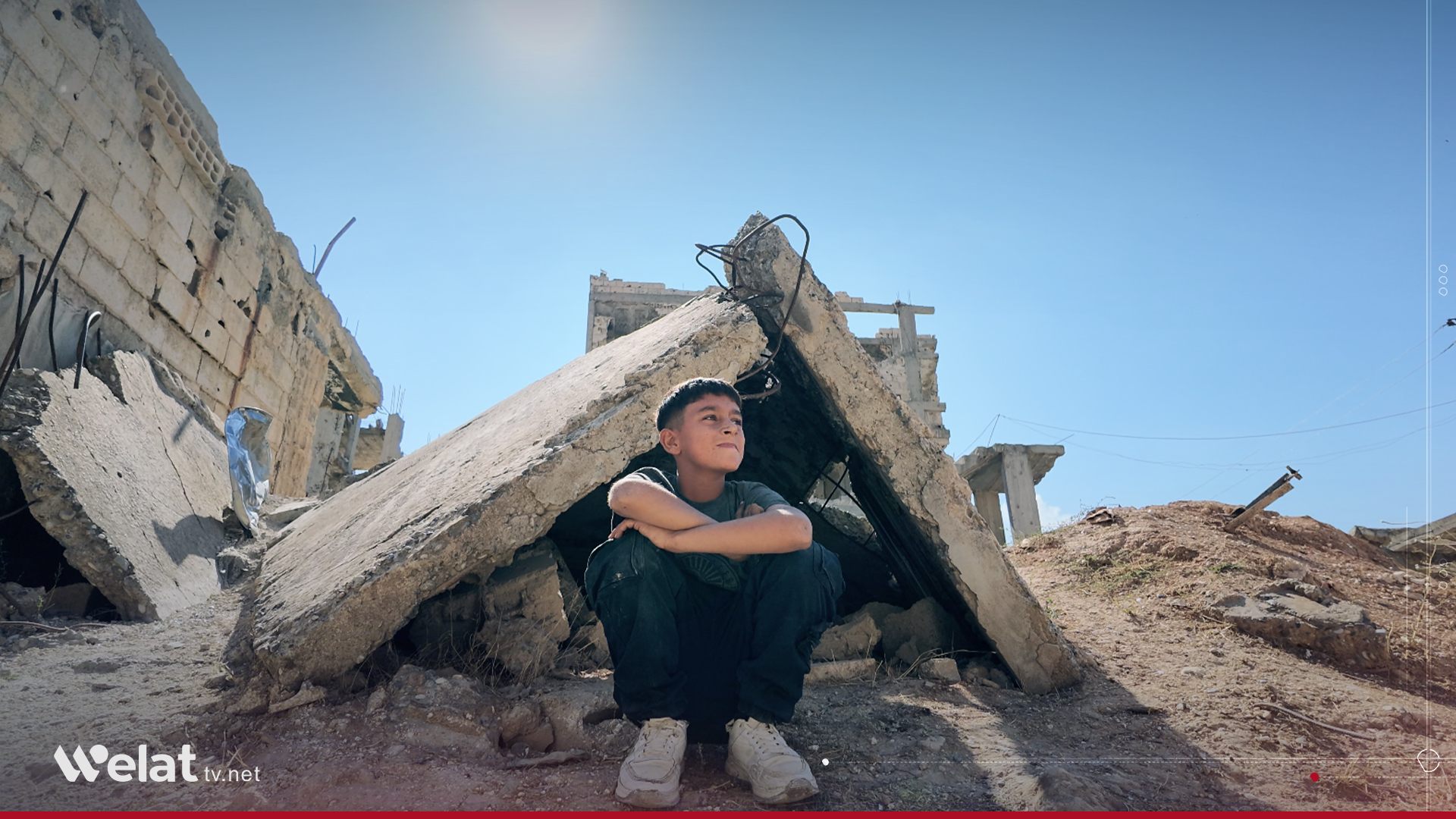
Displaced families living in the devastated neighborhoods of Kobani, in the al-Mat'haf area, are facing difficult living conditions as the buildings they occupy lack adequate shelter and have damaged roofs and walls. With winter approaching, concerns are growing over the effects of rain and falling temperatures on the safety of residents, particularly children and women.
The families moved to the area after previously taking refuge in schools across the city, which were later evacuated to allow the resumption of classes.
From Schools to the Ruins of al-Mat'haf
Displaced families had been using schools in Kobani as temporary shelters before moving to the devastated al-Mat'haf area following the evacuation of the schools for educational purposes.
The families are now living in the corridors of the area, where even the minimum conditions for stability are lacking. No suitable alternative housing has been made available to ensure their safe accommodation.
Structural Damage Raises Fears Over Rain
Reports from the shelter site indicate cracks in walls and ceilings, as well as water leaking through parts of the buildings. These conditions have heightened concerns about whether the structures can provide adequate protection during the winter.
The state of the buildings poses risks to the safety of families and their belongings, particularly as temperatures fall and rainfall becomes more likely. The displaced families urgently need safe accommodation that meets their basic needs.
Stalled Implementation of the January 29 Agreement
Meanwhile, residents’ hopes of finding a solution to the shelter crisis are fading amid what they describe as delays in implementing the January 29 agreement. Families continue to struggle to secure suitable accommodation after being forced to leave the schools.
Calls for Humanitarian Intervention
The displaced families are calling on humanitarian organizations and relevant authorities to intervene by providing safe shelters, improving living conditions, and taking urgent measures to protect them from the effects of winter.
There is also a growing need for sustainable solutions to the shelter crisis to prevent families from being forced to move repeatedly between facilities not designed for residential use, while considering the needs of children, women, and other particularly vulnerable groups.